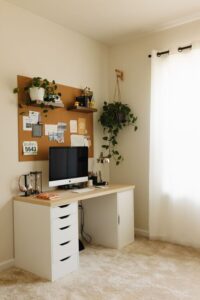
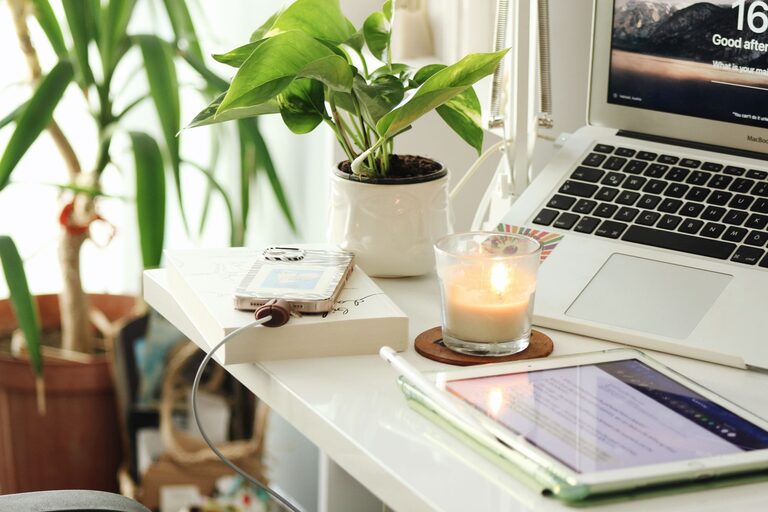
Creating a home office that is both relaxing and productive can significantly improve your work-from-home experience. Whether you’re freelancing, managing a remote team, or simply need a dedicated space to tackle your tasks, the right environment can make all the difference. In this post, we’ll explore useful tips to help you build a comfortable workspace that supports focus and creativity.
Choose the Right Location
Your home office should be a space where you can concentrate without frequent interruptions.
– Quiet Space: Select a room or corner of your home that is away from high-traffic areas and noisy appliances.
– Natural Light: Whenever possible, set up near a window to benefit from natural daylight, which can boost mood and energy.
– Ventilation: Good airflow keeps the space fresh and helps maintain focus.
Invest in Comfortable Furniture
Comfort plays a vital role in both relaxation and productivity.
– Ergonomic Chair: Choose a chair that supports your spine and encourages good posture.
– Desk Height: Ensure your desk is at a height that allows your arms to rest comfortably while typing or writing.
– Flexible Setup: Consider a sit-stand desk if you prefer alternating between sitting and standing.
Organize Your Space
A clutter-free workspace promotes a clear mind and efficient workflow.
– Declutter Regularly: Remove unnecessary items and keep only what you use daily on your desk.
– Storage Solutions: Use shelves, drawers, or baskets to organize paperwork and supplies.
– Cable Management: Tidy up cords with clips or sleeves to avoid tangled wires.
Personalize for Comfort and Inspiration
Adding personal touches makes your work area more inviting and can stimulate creativity.
– Decorate Thoughtfully: Incorporate calming colors, artwork, or plants to create a soothing atmosphere.
– Inspirational Items: Place motivational quotes or items that spark positive feelings.
– Lighting Options: Use adjustable lighting to avoid eye strain and create the right mood.
Minimize Distractions
Focus is easier to maintain when distractions are kept at bay.
– Digital Boundaries: Turn off non-essential notifications or use apps that block distracting websites.
– Noise Control: Use noise-cancelling headphones or play soft instrumental music if it helps concentration.
– Set Office Hours: Inform family or roommates of your work schedule to minimize interruptions.
Establish Routine and Boundaries
Setting clear routines and boundaries can help separate work time from personal time.
– Regular Schedule: Start and end work at consistent times to build a daily rhythm.
– Breaks: Take short breaks to stretch or relax your eyes, boosting overall productivity.
– Defined Workspace: Avoid working from places associated with rest, like the bed or couch.
Incorporate Wellness Elements
Integrating some wellness practices in your office can reduce stress and increase comfort.
– Greenery: Houseplants improve air quality and can have calming effects.
– Hydration Station: Keep water nearby to stay hydrated throughout the day.
– Movement Reminders: Use timers to encourage standing, stretching, or quick exercises.
Utilize Technology Wisely
Technology can enhance your home office but should be chosen thoughtfully.
– Reliable Equipment: Ensure your computer, printer, and internet connection are dependable.
– Organizational Tools: Use digital calendars, to-do lists, and project management apps to stay on track.
– Ergonomic Accessories: Items like an external keyboard or mouse may improve comfort during long hours.
Keep It Clean
A clean environment supports both physical and mental well-being.
– Daily Tidy-Up: Spend a few minutes clearing your desk at the end of each day.
– Regular Deep Cleaning: Dust surfaces, vacuum floors, and maintain cleanliness weekly.
– Air Quality: Consider an air purifier if your workspace lacks fresh air.
—
By thoughtfully designing your home office with these tips, you can create an environment that supports both relaxation and high productivity. Remember, the key is to balance comfort with function, and tailor the space to your personal work style and needs. A well-planned home office isn’t just a room—it’s a foundation for your success.