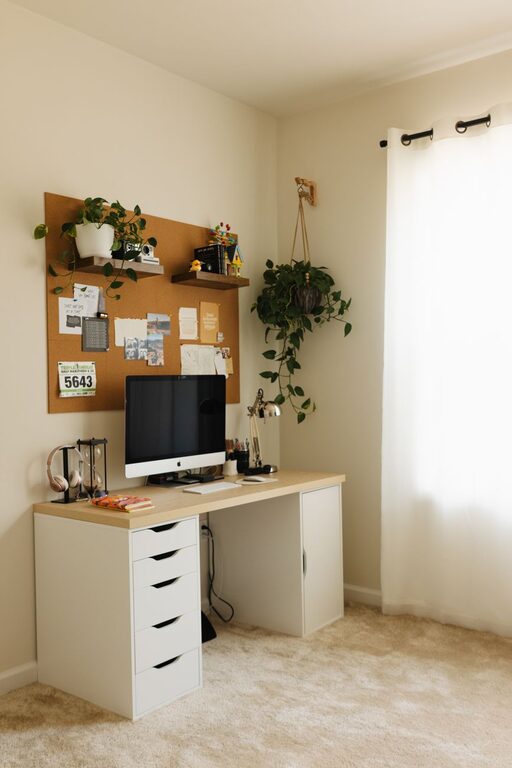
Creating a cozy and productive home office space is essential for anyone working remotely or needing a dedicated area for focused work. A well-designed office can improve your concentration, boost creativity, and help maintain a healthy work-life balance. Whether you have a spare room, a corner in your living room, or just a desk by the window, these tips will help you turn your workspace into a comfortable and efficient environment.
1. Choose the Right Location
Selecting the ideal spot for your home office is the first step. Look for a quiet area with minimal distractions and good natural light. If space is limited, consider:
– A corner in your bedroom or living room
– An unused dining area
– A nook near a window
Natural light not only brightens your space but also helps regulate your sleep cycle and boost mood. If natural light isn’t available, invest in quality lighting that mimics daylight.
2. Invest in Ergonomic Furniture
Comfort is key when working long hours. Ergonomic furniture supports your body and reduces strain:
– Chair: Choose a chair with adjustable height, lumbar support, and comfortable cushioning.
– Desk: Pick a desk with enough surface area for your computer, documents, and workspace accessories.
– Keyboard and Mouse: Consider ergonomic options to prevent wrist pain.
Standing desks or adjustable desks are popular choices as they allow you to alternate between sitting and standing, promoting better posture and circulation.
3. Personalize Your Space
Adding personal touches makes your office welcoming and inspiring:
– Decor: Hang artwork or photos that motivate you.
– Plants: Include a few indoor plants to improve air quality and add a calming vibe.
– Colors: Choose colors that balance focus and comfort, such as soft blues, greens, or warm neutrals.
Avoid cluttering your space with too many items; simplicity helps keep your mind clear.
4. Organize and Declutter
An organized workspace leads to a clearer mind. Use these strategies to keep things tidy:
– Storage Solutions: Use shelves, drawers, and filing cabinets to store supplies and paperwork.
– Desk Organizers: Pencil holders, trays, and cable management tools keep your desktop neat.
– Regular Cleaning: Schedule a weekly tidy-up to maintain order.
Digital organization matters too. Keep your computer files in folders and back up important documents regularly.
5. Optimize Technology Setup
Reliable technology is the backbone of a productive home office. Make sure you have:
– High-speed internet: Essential for video meetings and online research.
– Quality monitor: A larger or multiple screens can improve productivity.
– Good speakers or headphones: For clear communication and fewer distractions.
– Backup power: Consider a surge protector or UPS for uninterrupted workflow.
Keep cords organized to prevent a tangled mess and potential accidents.
6. Manage Noise and Distractions
Noise can significantly affect your concentration. Consider these solutions:
– Noise-Cancelling Headphones: Block out background noise during calls or focused work.
– White Noise Machine: Provides consistent sound masking distractions.
– Room Dividers or Curtains: Use to separate your office visually and acoustically.
Communicate with family or housemates about your work hours to minimize interruptions.
7. Establish a Routine and Boundaries
Creating a cozy space is only part of productivity. Establishing routines and boundaries helps too:
– Set specific working hours to start and end your day.
– Take regular breaks to stretch and rest your eyes.
– Avoid working in bed or on couches where you relax.
– Clearly separate work and personal areas, if possible.
Developing these habits will help you stay focused and prevent burnout.
8. Add Comfort Elements
Comfort boosts satisfaction and productivity. Incorporate these elements:
– Soft Textiles: A cozy rug, cushions, or a blanket can make your space more inviting.
– Temperature Control: Use fans, heaters, or open windows to maintain comfortable conditions.
– Aromatherapy: Pleasant scents like lavender or citrus can enhance focus and relaxation.
Pay attention to lighting intensity so it’s easy on your eyes throughout the day.
—
Creating a cozy and productive home office doesn’t require a big budget. By focusing on comfort, organization, and functionality, you can design a workspace that supports your best work while providing a pleasant atmosphere. Start small and adjust as you learn what works best for your needs and lifestyle. Your perfect home office is within reach!