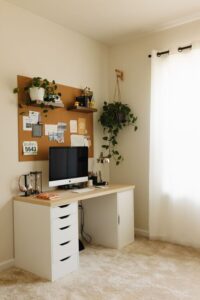
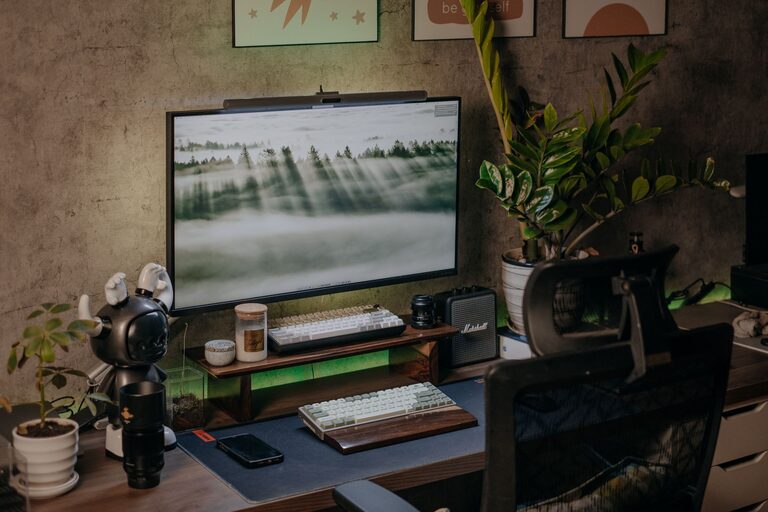
Creating a home workspace that feels both relaxing and productive can be a game-changer for anyone working from home. When your environment promotes comfort and focus, it’s easier to stay motivated and get more done each day. This post will guide you through practical tips to design a workspace that boosts productivity while helping you feel calm and relaxed.
Why a Relaxing Workspace Matters
Working from home offers flexibility but can also lead to distractions and stress if your workspace isn’t set up well. A peaceful, well-organized space helps reduce tension, supports concentration, and encourages a healthy work-life balance. When your workspace feels inviting, you’re more likely to stick to your schedule and maintain energy throughout the day.
Choose the Right Location
The first step is selecting the best spot for your home workspace.
– Natural Light: Position your workspace near a window if possible. Sunlight can boost mood and energy.
– Quiet Area: Find a place away from noise and foot traffic to minimize interruptions.
– Space Availability: Ensure you have enough room for your computer, documents, and any accessories you use regularly.
Even a small corner can work if you arrange it thoughtfully.
Invest in Comfortable Furniture
Comfort directly impacts how long and how well you can work.
– Ergonomic Chair: Choose a chair that supports your lower back and promotes good posture.
– Adjustable Desk: A desk with adjustable height can help you alternate between sitting and standing, improving circulation.
– Proper Desk Size: Your desk should be large enough to keep your monitor, keyboard, and workspace items organized without clutter.
Don’t overlook footrests or cushions if you need extra support.
Organize Your Workspace
Clutter can be a major distraction. Keeping your workspace tidy promotes a clear mind.
– Use Storage Solutions: Drawers, shelves, and desk organizers help reduce mess.
– Limit Items on Desk: Only keep essential tools within arm’s reach.
– Cable Management: Use clips or ties to keep cords neat and untangled.
Regularly declutter to maintain a fresh environment.
Enhance Lighting
Good lighting reduces eye strain and creates a welcoming workspace.
– Combine Natural and Artificial Light: Use daylight when available, supplemented by desk lamps with warm light.
– Adjustable Lighting: Choose lamps with adjustable brightness to suit different times of day or tasks.
– Avoid Glare: Position screens and lights to minimize reflections and glare.
Soft, indirect lighting can help reduce fatigue during long work sessions.
Incorporate Calming Elements
Adding elements that promote relaxation can make your workspace feel like a pleasant place to spend time.
– Plants: Indoor plants improve air quality and add a touch of nature.
– Personal Touches: Photos, artwork, or meaningful objects create a welcoming atmosphere.
– Aromatherapy: Using subtle scents like lavender or eucalyptus may help reduce stress.
Keeping things soothing yet simple is key.
Maintain a Comfortable Temperature
Temperature affects concentration and comfort.
– Thermostat Control: Adjust your environment to stay comfortable—typically between 68-72°F (20-22°C).
– Fans or Heaters: Use portable units if central control isn’t an option.
– Air Quality: Open windows when possible to let in fresh air.
Comfortable temperature keeps your focus sharp without distractions.
Set Boundaries and Breaks
A relaxing workspace also supports healthy work habits.
– Clear Work Hours: Define and stick to specific work periods to avoid burnout.
– Take Regular Breaks: Stand, stretch, or walk around every hour to refresh your mind and body.
– Limit Non-Work Items: Keep personal distractions out of your work zone.
Creating routine helps your brain separate work time from relaxation.
Use Technology Wisely
Technology should aid productivity, not overwhelm.
– Noise-Canceling Headphones: These can help block out distracting sounds.
– Dual Monitors: Having more screen space can improve workflow.
– Task Management Tools: Use apps or planners to organize your day efficiently.
Be mindful to take screen breaks to protect your eyes.
Final Thoughts
Designing a relaxing home workspace is about creating an environment where you feel both comfortable and focused. By thoughtfully choosing your location, furniture, lighting, and decor, along with establishing routines and organization, you can make your home office a space that supports success and well-being. Start implementing these tips one step at a time and watch your productivity and comfort grow.
Remember, your workspace should work for you. Feel free to adapt these ideas to fit your needs and preferences for the best experience.