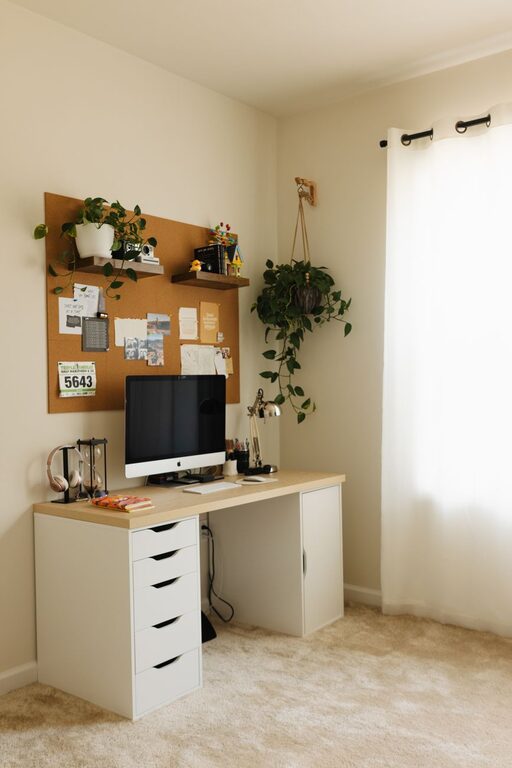
Creating a home workspace that is both cozy and productive is an essential step for anyone working remotely or simply wanting a designated area to focus. A well-designed workspace can improve focus, reduce stress, and make your day more enjoyable. In this post, we’ll explore practical tips and ideas to help you build a perfect environment that supports both comfort and productivity.
Why a Cozy and Productive Workspace Matters
When you spend hours working at home, your environment plays a big role in how well you perform. A cozy space feels inviting and calming, while a productive space pushes you toward accomplishing your tasks. Combining these two elements encourages better concentration and overall well-being.
1. Choose the Right Location
Pick a Dedicated Spot
Having a specific place to work helps your brain associate that space with focus and work. It can be a spare room, a corner in your living area, or even a well-arranged nook.
Consider Natural Light
Natural light boosts mood and reduces eye strain. If possible, position your desk near a window. If natural light is limited, invest in quality lighting that mimics daylight.
2. Invest in Comfortable Furniture
Ergonomic Chair and Desk
Your comfort directly influences productivity. A supportive chair that encourages good posture and a desk at the right height prevent discomfort and fatigue.
Add Soft Textures
Incorporate cushions, a small rug, or an ergonomic footrest to add extra comfort without cluttering the space.
3. Organize Smartly
Keep Essentials Within Reach
Store frequently used items like notebooks, pens, or chargers within arm’s length to reduce distractions.
Use Storage Solutions
Drawers, shelves, and organizers help keep your workspace tidy. A decluttered desk helps maintain mental clarity.
4. Set the Right Ambiance
Add Personal Touches
Decorate with items that inspire you—plants, artwork, or photographs can make the space more inviting.
Maintain Good Air Quality
A small air purifier or indoor plants can improve air quality, which is essential for focus and health.
Control Noise Levels
Use noise-canceling headphones or white noise machines if background sounds are distracting. Some people find soft music helpful, while others need silence.
5. Optimize Technology Setup
Upgrade Your Equipment
Reliable internet, a good computer, and necessary accessories like external monitors or keyboards can greatly improve efficiency.
Cable Management
Untangling cables wastes time and creates clutter. Use clips, sleeves, or boxes to keep wires organized and out of sight.
6. Establish Boundaries and Routines
Define Work Hours
Having specific work hours helps create a routine and separates work from personal time.
Communicate Boundaries
If you live with others, letting them know your schedule can minimize interruptions.
Take Breaks
Short breaks improve focus and reduce burnout. Stretch, hydrate, or step outside to refresh your mind.
7. Consider Lighting and Color Psychology
Use Adjustable Lighting
Desk lamps with brightness control help reduce eye strain and adjust to different times of day.
Choose Calming Colors
Soft shades like blues, greens, or neutrals often promote calm and focus, whereas bright colors can add energy.
8. Keep It Flexible
Multi-Purpose Furniture
If space is limited, consider foldable desks or chairs that can be stored away after work hours.
Re-arrange Periodically
Changing your setup every few months can help keep your environment fresh and spark creativity.
Final Thoughts
Creating a cozy and productive home workspace does not require a complete overhaul of your space. Small changes, thoughtful organization, and attention to comfort can transform your work area into a place where you can thrive. Remember, the best workspace reflects your personal needs and style, so don’t hesitate to experiment and adjust until it feels right for you.
By investing time and care into setting up your home workspace, you’ll be better equipped to tackle your daily tasks with focus and ease. Happy working!